Sacrificial anode, made from zinc, aluminum, or magnesium, are specifically selected for boat maintenance according to the type of water your vessel operates in. Each of these metals corrodes at a specific rate and under conditions that make it most effective at protecting your boat’s critical underwater components.
At Sunstate Marine Services, we provide expert anode inspections, replacements, and guidance to ensure your anodes prolong the life of your vessel’s underwater metals in the exact environment it operates in.
Types of Sacrificial Anodes and Their Ideal Environments
Zinc Anodes: The Standard for Saltwater
Zinc anodes have been the traditional choice for protecting vessels operating in saltwater environments due to their effectiveness in highly conductive electrolytes.
Known for their durability, zinc performs reliably in marine conditions with high salinity, making it a trusted option for boat owners. It offers strong compatibility with common underwater metals such as bronze and stainless steel, ensuring comprehensive protection. However, to maintain peak performance, zinc anodes require regular inspection and timely replacement, as worn or depleted anodes lose their ability to safeguard your vessel’s components.
Note: Zinc anodes are less effective in freshwater conditions, as they can develop a passive layer that inhibits corrosion and protection.
Aluminum Anodes: The Brackish Water Solution for areas like Sebastian & Vero Beach
Aluminum anodes are an excellent choice for vessels operating in varying salinity conditions.
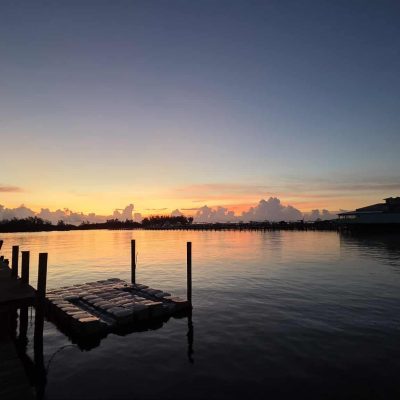
Sebastian, Vero Beach, and the surrounding areas are located along Florida’s Indian River Lagoon, where freshwater and seasonal rainfall mixes with saltwater from nearby inlets, creating brackish water. Brackish water is a blend of fresh and salt water that changes salinity with tides, seasonal changes, wind, and rainfall. Aluminum anodes are the go-to anodes for brackish water. They are also versatile and suitable for certain freshwater and saltwater applications.
Aluminum anodes are known for:
- Efficiency: Aluminum anodes protect a larger surface area per unit weight compared to zinc.
- Weight: Aluminum anodes are lighter than zinc, which is beneficial for reducing drag on smaller vessels.
- Longevity: Aluminum anodes have longer lifespan reduces frequency of replacements than other anodes.
Bear in mind that even if your boat is in brackish water, if it is frequently taken out into saltwater, instead of just sitting in the brackish marina, zinc may still be the better option.
Magnesium Anodes: Designed for Inland Florida’s Freshwater Protection.
In freshwater, the lower conductivity means that a more active anode material is needed to provide effective corrosion protection. Magnesium is the ideal choice in these environments because of its high electrochemical reactivity, which makes it exceptionally effective in freshwater lakes, rivers, and reservoirs. Unlike zinc or aluminum, magnesium begins working immediately upon immersion, delivering rapid activation and strong protection even in low-conductivity waters where other anode materials may underperform.
Note: Magnesium anodes are generally unsuitable for saltwater environments, where they corrode rapidly and are consumed quickly.
Proactive Anode Maintenance Protects Your Investment
Whether navigating saltwater coasts, freshwater lakes, or brackish estuaries, proper anode management preserves your boat’s structural integrity and value. Failure to replace worn anodes exposes your boat to accelerated corrosion, potentially resulting in costly repairs.
At Sunstate Marine Services, we specialize in professional inspection and replacement of sacrificial anodes tailored to your vessel and water conditions.
Zinc inspections are included in our regular dives at no extra charge. During a hull clean, we will replace your zincs for free if you provide them.
Protect your boat from corrosion with Sunstate Marine Services, providing expert anode inspections and replacements from Daytona to Stuart, including Sebastian, Vero Beach, and Fort Pierce, Florida. Contact us today at 772-828-1099 to schedule an inspection and safeguard your vessel’s future on the water.