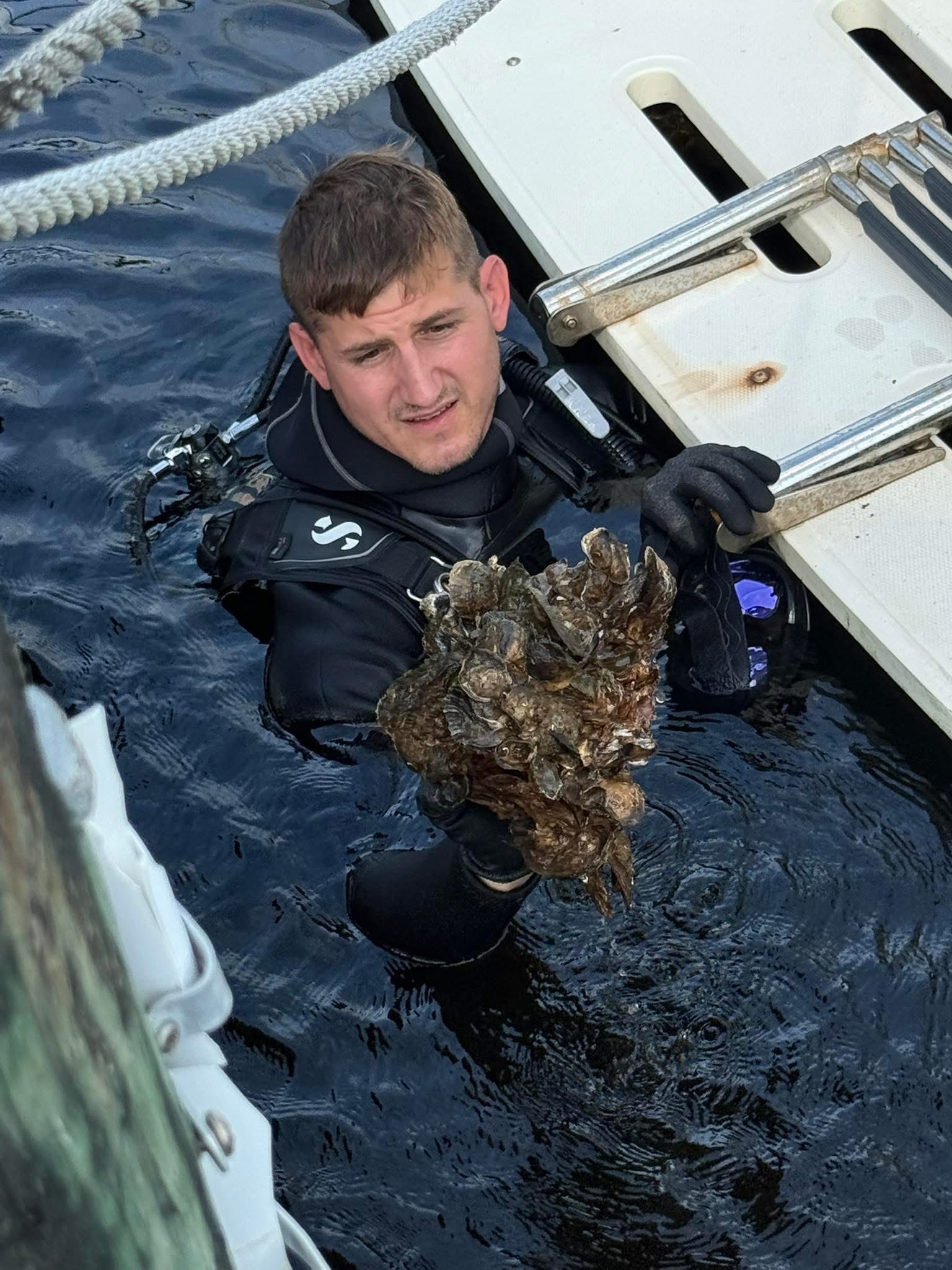
If you’ve noticed your boat accumulating more barnacles, algae, and biofilm during Florida’s warmer months, you’re not imagining things. Marine growth on hulls intensifies dramatically in summer and early fall—and the reasons are rooted in biology, oceanography, and even climate science. Let’s explore why this seasonal surge occurs, and what it means for hull cleaning and boat owners navigating Florida’s waters.
The Biology Behind Barnacle Booms
Barnacles are among the most notorious biofoulers of boat hulls in coastal waters. These crustaceans follow a fascinating reproductive cycle that’s tightly linked to temperature and seasonal cues.
Most barnacle species in subtropical and tropical zones, including Florida, reproduce from April through November, with peak spawning in late summer when water temperatures are highest.
Barnacles are hermaphrodites, meaning each individual has both male and female organs. They engage in cross-fertilization using a long, extendable male reproductive organs (p to 8x their body length!) to reach nearby mates. They have multiple larval stages:
| Larval Stage | Description |
|---|---|
| Nauplius | Free-swimming larvae that drift with plankton for days to weeks. |
| Cyprid | The final larval stage that seeks a hard surface—like your boat hull—to permanently attach and metamorphose into an adult. |
Once settled, barnacles begin feeding and growing rapidly, especially when conditions are ideal.
Warm Water Supercharges Marine Growth
Florida’s summer waters, often in the mid80s, create a biological hotbed for marine organisms. Here’s how elevated temperatures accelerate hull fouling:
Faster Metabolism: Warmer water increases metabolic rates in barnacles, algae, and other biofoulers, leading to faster growth and reproduction.
Enhanced Feeding: Barnacles use feathery appendages called cirri to filter plankton. In warm water, cirral beating speeds up, improving feeding efficiency—until metabolic costs outweigh gains.
Increased Larval Settlement: Warm water boosts larval survival and dispersal, increasing the number of cyprid larvae that settle on hulls.
In short, summer turns your hull into prime real estate for marine hitchhikers.
Global Warming: A New Fouling Frontier
Climate change is amplifying these seasonal patterns in several ways:
- Longer Reproductive Windows: Rising sea surface temperatures have extended the barnacle breeding season, allowing for more broods per year, up to 10 in tropical species for hull cleaners to battle.
- Higher Growth Rates: Studies show barnacles grow faster at moderate to high temperatures.
- Tropicalization of Species: Warmer waters are pushing tropical biofoulers into temperate zones, increasing species diversity and fouling intensity.
In Florida, this means more aggressive growth during summer and early fall, with potential for year-round fouling in warmer years.
What This Means for Boat Owners
Understanding the science helps you stay ahead of the slime: Boats should be cleaned more frequently in summer and early fall to prevent hard growth.
Florida Waters Demand Florida Wisdom
At Sunstate Marine Services, we specialize in underwater maintenance tailored to Florida’s unique marine conditions. Our team understands the seasonal rhythms of barnacle reproduction, the impact of warming seas, and the best strategies to keep your hull clean and efficient.
Whether you’re cruising the Indian River Lagoon or docked in Causeway Cove, trust us to keep your vessel free from unwanted passengers with a one time cleaning or one of our monthly hull cleaning plans. Text or Call us at (772) 828-1099 to set up a hull cleaning at Vero Beach, Fort Pierce, Melbourne, or the surrounding areas today.
SPECIAL OFFER: Mention this post and get 10% OFF your first hull cleaning!