Hull Cleaning: Protecting Florida’s East Coast Ecosystems
When boaters think about hull cleaning, the first concerns that usually come to mind are performance and fuel efficiency. And while a clean hull will absolutely help a vessel move faster and burn less fuel, there’s an even more critical reason why hull cleaning matters: protecting our fragile marine ecosystems.
For boaters in Melbourne, Vero Beach, Sebastian, and Fort Pierce, keeping your hull free of barnacles, algae, and other marine growth is a matter of environmental responsibility.
How Hull Cleaning Saves the Environment
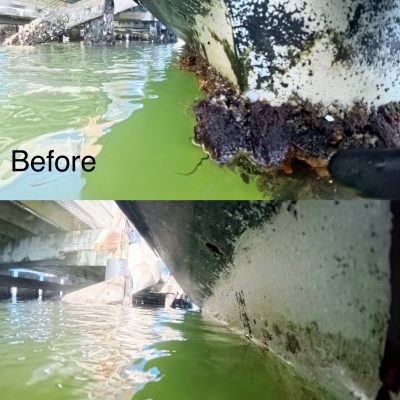
Marine growth such as barnacles, algae, and tube worms doesn’t just slow your boat down, it can also carry invasive species. These organisms can attach themselves to your hull and “hitch a ride” when you move your boat to a different marina, inlet, or waterway.
Once introduced into a new ecosystem, invasive species can spread rapidly, competing with native species for food and space, and disrupting the natural balance of the local waters.
In Florida, the East Coast’s waterways are highly interconnected yet ecologically distinct. The Indian River Lagoon, for example, has zones of differing salinity and water flow compared to the Atlantic Ocean just outside the inlets. Even a move of just a few miles (say, from a marina in Vero to one in Fort Pierce) can be considered a shift into a new ecosystem.
When Is a Boat Considered to Be Entering a New Ecosystem?
For boat owners on Florida’s East Coast, it’s easy to assume that all waters are the same, but that couldn’t be further from the truth. Moving your boat between the following can all represent a change in ecosystem:
- Different inlets (e.g., Port Canaveral vs. Fort Pierce Inlet)
- Lagoon systems and open ocean (e.g., Indian River Lagoon to Atlantic)
- Distinct marinas with varying water flow and conditions (e.g., Melbourne Harbor vs. Sebastian Inlet Marina)
Can Changing Marinas Change the Ecosystem?
Yes! Changing marinas can absolutely mean entering a new ecosystem. Even if both marinas are located within the same city, factors such as tidal flushing, freshwater inflow, freshwater inflow, and types of native flora and fauna present, make each marina unique. Moving your boat from one marina basin in Melbourne to another in Vero Beach may seem minor, but to an invasive barnacle larva, it can be the difference between thriving in a new territory or upsetting an entire balance of species.
Even micro-ecosystems exist within marinas, where water circulation, salinity, and native species can differ from one basin to the next.
What are the Risks of Moving Growth to Ecosystems without Proper Hull Cleaning?
If a hull is not cleaned before relocation, barnacles and other organisms can release larvae into the new water body within hours. These larvae can then establish permanent colonies, displacing native species. For example:
| Invasive Species | Negative Effect on Ecosystem |
|---|
| Barnacles (Non-Native Varieties) | Outcompete native oysters for space, reducing oyster reef habitat critical for water filtration and fish nurseries. |
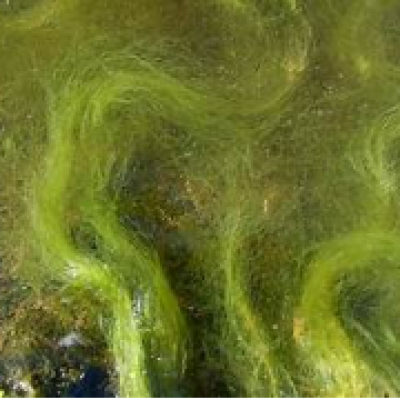
| Caulerpa taxifolia (Invasive Algae) | Forms dense mats, smothers seagrass beds, and disrupts manatee grazing areas and fish breeding grounds. |
| Non-Native Tunicates (e.g., Didemnum vexillum) | Blanket docks, pilings, and boat hulls; outcompete native filter feeders and create costly marina cleanups. |
| Asian Green Mussels (Perna viridis) | Introduced through ship traffic in Florida; form dense colonies that block water flow, foul hulls, and crowd out native shellfish. |
| Bryozoans (Encrusting Species) | Colonize boat bottoms and marina structures, displacing native species and adding drag to vessels. |
| Invasive Sponges | Spread on reefs and hard-bottom habitats, smothering corals and disrupting native reef-building communities. |
| Killer Algae (Caulerpa brachypus) | Found in parts of Florida; grows rapidly and alters lagoon ecosystems by outcompeting native seagrasses. |
These changes are not just ecological, they’re also economic. Invasive species increase marina maintenance costs, degrade water quality, and hurt the local fishing and tourism industries that coastal communities rely on.
Best Practices for Hull Cleaning in Florida to Protect the Environment:
Clean your hull regularly: Monthly cleanings are recommended, especially during warm summer and fall months when growth is fastest.
Schedule cleaning before relocating: Always ensure your hull is cleared of barnacles, algae, and other marine life before moving to a new marina or waterway.
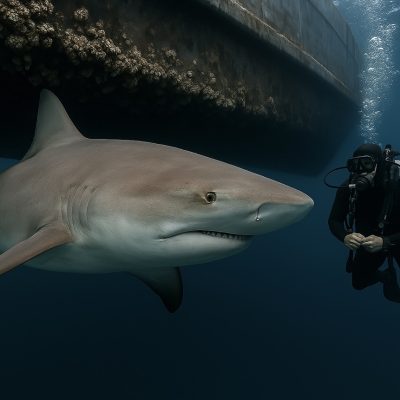
Hire professional divers: DIY hull cleaning can release larvae and fragments into the water, actually worsening the spread. Professional hull cleaning ensures minimal environmental impact and maximum boat performance.
Stay proactive: Don’t wait until heavy growth sets in. Prevention is far safer, and more cost-effective, than remediation.
Hull Cleaning on Florida’s East Coast
For boaters in Melbourne, Vero Beach, Sebastian, and Fort Pierce, regular hull cleaning is not only about protecting your investment, it’s about safeguarding the waters that define our coastal lifestyle.
Every clean hull helps keep invasive species in check, ensures smoother operation, and contributes to the overall health of Florida’s waterways.
At Sunstate Marine Services, we take this responsibility seriously. Our team of professional divers specializes in eco-conscious hull cleaning designed to protect both your boat and the waters we all enjoy.
Contact Sunstate Marine Services today at 772-828-1099 or visit www.sunstatemarine.com to schedule your next hull cleaning.
Protect your boat. Protect your waters. Protect Florida.